


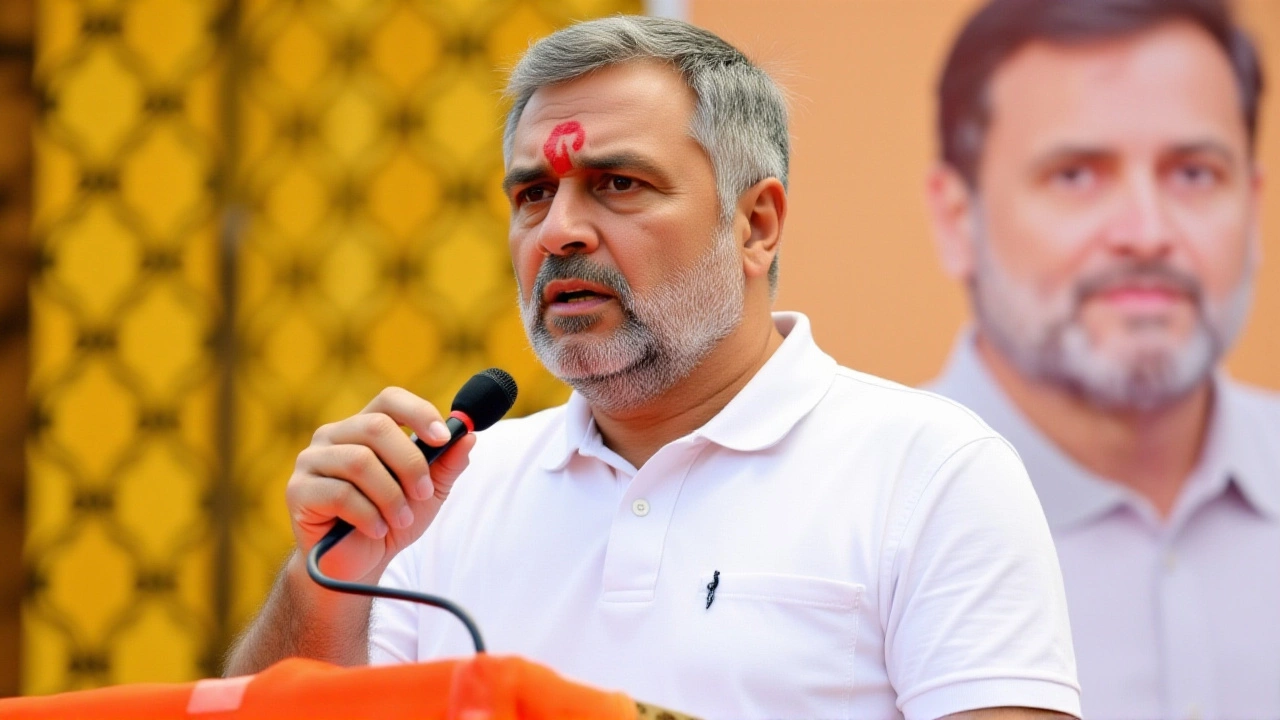

A lawyer has filed a formal defamation complaint against Rahul Gandhi, Senior Leader of the Indian National Congress, alleging that he used "indecent and defamatory" language during a public rally. The complaint targets remarks made about Prime Minister Narendra Modi, Home Minister Amit Shah, and the Rashtriya Swayamsevak Sangh (RSS).
The incident occurred on May 20 at a gathering in Lodhewari village, located in the Dehaon block of Raebareli district, Uttar Pradesh. By May 26, reports from Panchjanya confirmed that legal proceedings had been initiated, turning a standard political campaign stop into a potential courtroom battle.
The Allegations and Legal Basis
Here’s the thing: political rhetoric is often heated, but this complaint crosses into specific legal territory. The complainant, identified as a practicing advocate, argues that Gandhi’s speech went beyond acceptable criticism. According to the filing, the language used was not just critical but "indecent," implying a breach of decorum that damages reputation.
Under Indian law, defamation involves making false statements that harm someone’s reputation. The lawyer contends that Gandhi’s words specifically targeted the personal integrity of Narendra Modi and Amit Shah, rather than their policies. The inclusion of the RSS in the complaint suggests the remarks also attacked the ideological backbone of the ruling coalition, adding another layer of complexity to the case.
While the exact quotes aren’t fully detailed in initial reports, the severity of the terms used—described as offensive enough to warrant immediate legal action—indicates a significant escalation. This isn’t just a press release; it’s a formal petition likely lodged with local authorities or a magistrate in Raebareli.
Political Fallout and BJP’s Response
The Bharatiya Janata Party (BJP) didn’t wait long to react. Party officials have launched a counter-narrative, labeling Gandhi’s comments as a low point in political discourse. In Hindi media circles, the response has been described as a "palatwar"—a sharp, aggressive counter-attack.
This move serves two purposes for the BJP. First, it frames the opposition leader as disrespectful to national institutions and leaders. Second, it keeps the momentum going in Uttar Pradesh, a state crucial for upcoming elections. By highlighting the defamation angle, they shift the focus from policy debates to character attacks, a strategy that often resonates with their base.
Interestingly, the RSS’s involvement in the complaint is notable. As a cultural organization, the RSS rarely files direct legal complaints unless it feels its core values are under threat. This suggests the remarks were perceived as an attack on Hindu nationalism itself, not just individual politicians.
Context: Raebareli and Political History
Raebareli isn’t just any district. It’s the parliamentary constituency represented by Rahul Gandhi himself. Filing a complaint here adds a layer of irony—or perhaps strategy—to the situation. It’s a home-front challenge, suggesting that even in his own backyard, Gandhi faces organized legal resistance.
The timeline is tight. The speech happened on May 20, and by May 26, the news was out. That speed indicates pre-planned legal preparation by the complainant. It’s rare for such cases to move this quickly unless the evidence (likely video footage) is clear and the intent to litigate was established beforehand.
Historically, defamation cases against politicians in India have mixed results. Some are dismissed as frivolous attempts to silence dissent, while others proceed if the language is deemed genuinely abusive. The outcome will depend heavily on whether the court views the remarks as protected political speech or actionable defamation.
What’s Next?
The details are still unclear regarding the next steps. Will the police register an FIR? Or will it remain a private complaint requiring a court summons? Legal experts suggest that if the language was indeed "indecent," the threshold for registration might be lower.
For Rahul Gandhi, this could distract from his campaign narrative. For the BJP, it’s a tool to paint the opposition as undisciplined. And for voters in Uttar Pradesh, it’s another reminder of the high stakes in Indian politics, where every word is scrutinized and every slip can become a headline.
Frequently Asked Questions
Who filed the defamation complaint against Rahul Gandhi?
The complaint was filed by a practicing lawyer based in Raebareli. While the individual's name hasn't been widely publicized in initial reports, their professional background suggests they understand the legal nuances of defamation laws in India. They acted on behalf of the aggrieved parties, including Prime Minister Narendra Modi and Home Minister Amit Shah.
Where did the controversial speech take place?
The speech occurred on May 20 in Lodhewari village, which is part of the Dehaon block in Raebareli district, Uttar Pradesh. This location is significant because Raebareli is the parliamentary constituency represented by Rahul Gandhi, making the incident a local yet nationally watched event.
Why is the RSS included in the defamation case?
The Rashtriya Swayamsevak Sangh (RSS) is included because Rahul Gandhi allegedly made remarks targeting the organization alongside Prime Minister Modi and Home Minister Shah. The complaint suggests that these remarks were perceived as an attack on the ideological foundation of the ruling party, prompting the RSS to seek legal redress for reputational damage.
What is the BJP's reaction to this incident?
The Bharatiya Janata Party (BJP) has strongly condemned the remarks, launching a counter-campaign they describe as a "palatwar" or counter-attack. They argue that the language used was unbecoming of a senior politician and aimed at undermining national leadership. This response is part of a broader strategy to highlight what they see as opposition disrespect towards democratic institutions.
Will this case affect the upcoming elections?
Potentially, yes. Defamation cases can distract candidates and shape voter perception. If the case gains traction, it may frame Rahul Gandhi as controversial in key states like Uttar Pradesh. However, many such cases are seen as politically motivated, so the ultimate impact depends on how voters interpret the legal proceedings versus the substance of the political debate.

Write a comment