


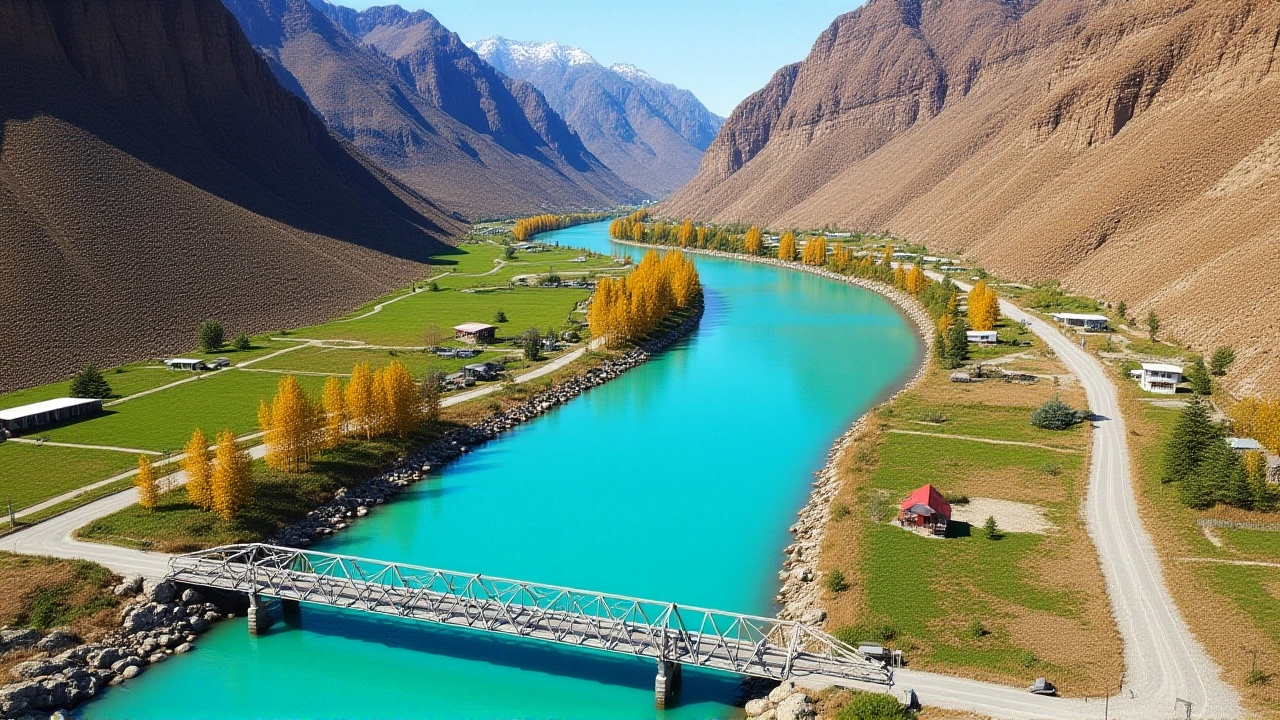

When India announced the launch of two major infrastructure projects on the Chenab River system this week, it sent shockwaves through diplomatic circles in Islamabad. The move comes just months after New Delhi suspended the Indus Waters TreatyNew Delhi following the April terror attack in Pahalgam.
The twin projects, with a combined estimated cost of approximately ₹2,600 crore (about $31 million), are designed to maximize India's utilization of river waters within its legal rights under the treaty framework. But here’s the thing: these aren't just engineering feats. They’re strategic statements. By diverting water and managing sediment more efficiently, India is signaling that it will no longer hold back on optimizing its resources, even if it heightens tensions with its neighbor.
The Chenab-Beas Link: Engineering the Himalayas
The larger of the two initiatives is the Chenab-Beas Link Tunnel Project, located in the high-altitude Lahaul-Spiti district of Himachal Pradesh. This isn’t your average dam project. It involves constructing an 8.7-kilometer tunnel to transfer excess water from the Chandra River—a tributary of the Chenab—to the Beas basin.
Think of it as plumbing for the mountains. The plan includes building a 19-meter-high barrage near Koskar village, situated just above the north portal of the famous Atal Tunnel. This diversion site allows hydraulic structures to channel water away from the Chenab system toward the Beas, ensuring that rainfall and snowmelt aren't wasted flowing downstream into Pakistan when they could support irrigation and hydropower in northern India.
The cost? A hefty ₹2,352 crore. Experts note that while the terrain is challenging, the technology exists. What’s new is the intent. For decades, India operated well within the limits of the 1960 treaty. Now, with the treaty suspended, the government is pushing the boundaries of what “optimal use” means.
Cleaning Up Salal: The Sediment Solution
The second project focuses on the aging Salal Hydroelectric Project in Jammu and Kashmir. Completed in the 1970s, the Salal Dam has been struggling with a serious problem: siltation. The Chenab River carries massive amounts of sediment from the Himalayas, which accumulates in the reservoir, reducing its capacity and efficiency.
To fix this, India is investing ₹268 crore in a diversion-cum-sediment bypass tunnel. Essentially, this tunnel will allow muddy water to flow around the dam rather than into it, keeping the reservoir cleaner and extending the life of the power station. It’s a technical upgrade, sure, but strategically, it ensures that India can maintain consistent power generation and water control along the Chenab.
Together, these projects represent a shift in tone. As one unnamed expert told reporters, "These projects are critical not just for energy security, but for asserting our right to manage our water resources effectively." While the report didn’t name specific engineers or contractors, the message is clear: India is moving fast.

Pakistan’s Growing Anxiety
In Islamabad, the reaction has been one of deep concern. Pakistan relies heavily on the Indus river system for agriculture, particularly in Punjab and Sindh provinces. Any change in flow patterns or timing of water releases can disrupt crop cycles and reduce groundwater recharge.
Since India suspended the treaty last April, Pakistani officials have repeatedly expressed alarm. They argue that unilateral changes to infrastructure violate the spirit of cooperation established in 1960. However, New Delhi maintains that all actions remain within the legal framework of the treaty—even if the political relationship has fractured.
The twist is that India hasn’t officially terminated the treaty; it has merely paused implementation. This leaves room for future negotiations, but also creates uncertainty. Pakistan fears that if India continues to build such projects without consultation, the long-term viability of the shared water system could be compromised.
Why This Matters Beyond Borders
This isn’t just about two tunnels. It’s about resource nationalism in a warming world. With glaciers melting faster and monsoon patterns becoming unpredictable, every drop counts. India’s decision to optimize its water usage reflects a broader global trend where countries prioritize domestic needs over international agreements.
Moreover, the timing is significant. The suspension followed the Pahalgam attack, which killed dozens of tourists. In response, India tightened security across Kashmir and reviewed all cross-border arrangements—including water sharing. The Chenab projects are part of that broader strategy to assert sovereignty and self-reliance.
For farmers in both countries, the stakes are real. In Indian-administered Kashmir, better water management could mean more reliable irrigation. In Pakistan, reduced flows might lead to drought conditions and food insecurity. The ripple effects extend far beyond engineering blueprints.

What’s Next?
Construction is expected to begin soon, though exact timelines haven’t been released. Environmental impact assessments are likely underway, given the sensitive Himalayan ecosystem. Local communities in Lahaul-Spiti may face displacement or changes in traditional livelihoods, raising questions about social justice alongside national interest.
Diplomatically, we’re watching closely. Will Pakistan appeal to international bodies like the World Bank, which originally mediated the 1960 treaty? Or will both sides engage in quiet dialogue to prevent escalation? Only time will tell.
Frequently Asked Questions
How does this affect Pakistan’s agriculture?
Pakistan depends on the Chenab and other Indus rivers for irrigating millions of hectares of farmland. If India diverts more water upstream or alters flow timing, Pakistani farmers may face shortages during critical planting seasons. This could reduce yields of wheat, rice, and cotton—staples that feed hundreds of millions. While India claims it’s only using its entitled share, the cumulative effect of multiple projects could strain Pakistan’s already fragile water supply.
What led India to suspend the Indus Waters Treaty?
The suspension came directly after the April 2025 terror attack in Pahalgam, Jammu and Kashmir, which killed many tourists. The Indian government viewed the attack as evidence of ongoing hostility from elements supported by Pakistan. In response, it halted implementation of the 1960 treaty, citing national security concerns. This was a historic move, as the treaty had survived three wars between the nations.
Are these projects legally permissible under the treaty?
Yes, according to Indian officials. The 1960 treaty allows India to use waters from the eastern rivers (Sutlej, Beas, Ravi) freely and permits limited non-consumptive use of western rivers (Indus, Jhelum, Chenab). Diverting water for storage or power generation falls within those rights. However, Pakistan argues that large-scale diversions de facto alter downstream availability, violating the treaty’s cooperative spirit—even if technically compliant.
What is the role of the Atal Tunnel in this context?
The Atal Tunnel connects Manali to Lahaul-Spiti year-round, boosting trade and tourism. Its north portal serves as a geographic reference point for the new Chenab-Beas diversion site near Koskar village. While the tunnel itself isn’t part of the water project, its proximity highlights how infrastructure development in the region is accelerating. Both projects reflect India’s push to integrate remote Himalayan areas into the national economy.
Will there be environmental impacts?
Likely yes. Building tunnels and barrages in fragile mountain ecosystems risks disrupting local flora, fauna, and hydrology. Landslides, altered stream flows, and habitat fragmentation are potential consequences. Although no official environmental impact statement has been published yet, experts warn that careful monitoring is essential to prevent long-term ecological damage in the Lahaul Valley and surrounding regions.


Write a comment